Stress-induced Cardiomyopathy- Takotsubo- A Medical Perspective
What is Takotsubo?
Takotsubo syndrome is a heart condition classified under the family of cardiomyopathies. It is also known as broken heart syndrome, apical ballooning, or stress-induced cardiomyopathy triggered by intense emotional or physical stress.
In the most common form of this condition, the heart takes on a distinctive appearance: the apex (the tip of the heart) loses its ability to contract properly, while the upper sections continue to function normally.
This creates a characteristic contraction pattern when viewed through imaging. However, there are less common variants of this condition that affect the heart differently.
Normal Ventriculography Video
Stress Cardiomyopathy Video
Where Does the Term "Takotsubo" Come From?
The name “Takotsubo” originates from a Japanese word meaning “octopus trap.” This condition, first described in Japan in 1977, derives its name from the resemblance of the observed heart abnormality to the shape of these pots traditionally used to catch octopuses.
What Explains Takotsubo Syndrome?
This type of cardiomyopathy is characterized by a temporary impairment of cardiac function, where the heart muscle momentarily loses part of its ability to pump bloodBlood is composed of red blood cells, white blood cells, platelets, and plasma. Red blood cells are responsible for transporting oxygen and carbon dioxide. White blood cells make up our immune defense system. Platelets contribute to blood effectively.
The heart’s pumping strength may be weakened.
Exaggerated Stress Response
When a person encounters a major stressful event, whether emotional (shock, grief, conflict) or physical (illness, surgery, accident), the sympathetic nervous system is activated.
This system, responsible for the “fight or flight” response, releases hormones like adrenaline and cortisol. These substances prepare the body to react quickly by increasing alertness, accelerating heart rate, and mobilizing resources to handle the emergency.
For example, in an extreme situation like a fire, this mechanism allows you to make rapid decisions and escape danger.
However, in some individuals, this massive release of hormones can become toxic to the heart muscle. Overwhelmed by this surge, the heart temporarily loses its ability to contract normally, though the exact mechanisms behind this damage remain unclear.
A Gendered Profile
This cardiomyopathy primarily affects women, especially postmenopausal women, to the extent that it is almost considered a predominantly female condition.
The precise reasons for this prevalence are not fully understood but may relate to hormonal and biological differences in stress responses.
What Are the Symptoms?
For patients who experience symptoms, they closely resemble those of a heart attack, which can make initial diagnosis challenging.
The most common manifestations include:
Chest pain: Often located in the center or left side of the chest, this pain can be intense and distressing.
Shortness of breath: A sudden difficulty in breathing, which may occur even at rest.
Loss of consciousness: Although less common, syncope (fainting) can also be a sign of the syndrome.
A Deceptive Presentation
When symptoms appear, it is impossible to distinguish Takotsubo syndrome from a heart attack without detailed testing.
However, the recent occurrence of significant emotional or physical stress may guide the physician toward diagnosing this specific cardiomyopathy.
It is crucial to seek medical attention promptly if these symptoms occur, as only a thorough medical evaluation can establish the correct diagnosis and rule out other potentially serious causes.
Triggering Stress
The type of stress that leads to Takotsubo syndrome, whether physical or psychological, is not always clearly identifiable.
Each individual reacts differently to stress, and what may seem trivial to one person can be significant to another. This highlights the importance of understanding the patient’s personal context when evaluating the syndrome.
In approximately two-thirds of cases, an identifiable stressor, either emotional or physical, can be identified as a contributing factor.
Examples of Stressors
Takotsubo syndrome can be triggered by various stressful situations, both emotional and physical.
These triggers may include traumatic events, psychological strain, or sudden medical conditions. Some examples include:
An accident or assault.
Domestic violence.
Severe pain.
A serious illness or major surgery.
The loss of a loved one or receiving bad news.
Financial loss.
Intense fear, a heated argument, or a severe asthma attack.
Even positive and joyful events can sometimes act as triggers.
Often goes unnoticed
Takotsubo syndrome remains a relatively unknown diagnosis.
This cardiomyopathy is identified in about 1 to 3% of patients presenting to emergency departments with symptoms resembling those of a heart attack.
However, the true number of cases may be significantly underestimated, as some individuals may not seek medical attention, especially in the absence of obvious symptoms.
Requested Tests
Diagnosing broken heart syndrome relies on a combination of tests:
Electrocardiogram (ECG): This test is often useful in detecting electrical abnormalities consistent with the syndrome.
Echocardiography: It highlights a distinctive feature of the left ventricle called apical ballooning, where the heart’s apex (tip) loses its ability to contract effectively, creating a characteristic appearance.
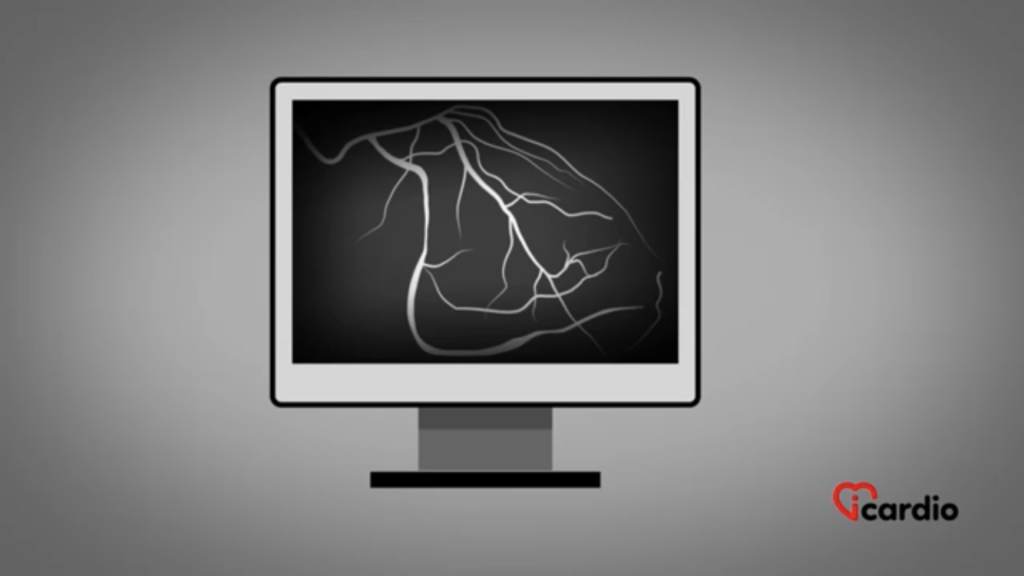
Coronary Angiography: This test is crucial for examining the coronary arteries’ anatomy and ruling out a myocardial infarction caused by arterial obstruction. In Takotsubo syndrome, the arteries typically appear normal, or if atherosclerotic plaques are present, they do not explain the severe impairment of the heart muscle.
Magnetic Resonance Imaging (MRI): While rarely used for this cardiomyopathy, MRI can provide additional insights. It can confirm the contractile dysfunction observed on echocardiography and reveal signs of inflammation in the heart muscle, indicating often temporary cellular distress.
Each of these tests contributes to confirming the diagnosis by ruling out other potential causes of cardiac dysfunction.
How Is Takotsubo Syndrome Treated?
There is no specific treatment for Takotsubo syndrome. Management focuses on addressing symptoms and potential complications.
Monitoring and Managing Complications
The primary goal is close monitoring to identify and treat complications such as heart failure, arrhythmias, or bloodBlood is composed of red blood cells, white blood cells, platelets, and plasma. Red blood cells are responsible for transporting oxygen and carbon dioxide. White blood cells make up our immune defense system. Platelets contribute to blood clots in the heart.
Heart Failure: Treated with appropriate medications, such as diuretics or beta-blockers, depending on the patient’s needs.
Arrhythmias: These heart rhythm disturbances may require specific treatment if deemed severe.
BloodBlood is composed of red blood cells, white blood cells, platelets, and plasma. Red blood cells are responsible for transporting oxygen and carbon dioxide. White blood cells make up our immune defense system. Platelets contribute to blood Clot in the Heart: If a clot is detected, anticoagulant therapy is prescribed to thin the bloodBlood is composed of red blood cells, white blood cells, platelets, and plasma. Red blood cells are responsible for transporting oxygen and carbon dioxide. White blood cells make up our immune defense system. Platelets contribute to blood and prevent a stroke. This treatment typically lasts 3 to 6 months but may be extended based on follow-up echocardiography results.
Resuming Activities
A medical leave from work may be necessary depending on the severity of the cardiac impairment and the persistence of symptoms. The duration of rest varies from one patient to another, based on individual needs.
Daily activities can usually be resumed gradually over a period of about one month. It’s important to remember that although this cardiac condition is often temporary, it requires careful attention to ensure optimal recovery.
Follow-Up Care
After being discharged from the hospital, follow-up with a primary care physician is crucial to ensure a complete recovery.
Patients are encouraged to adopt healthy lifestyle habits, take prescribed medications as directed, and, most importantly, incorporate effective stress management techniques into their daily routine.
Does the Heart Recover?
In the vast majority of cases, cardiac function returns to normal within 6 to 8 weeks.
However, for a minority of patients, recovery may be incomplete. This highlights the importance of patient adherence to both pharmacological and non-pharmacological guidelines.
Can this condition recur?
Although recurrence is rare, it remains possible. It is estimated that about 5% of patients may experience a new episode within four years of the first.
Currently, no specific treatment has proven effective in reducing this low risk. However, as a reminder, adopting healthy lifestyle habits, managing stress effectively, and following medical recommendations can help minimize the associated risk factors.
In Conclusion
When intense and persistent chest pain occurs following a stressful event, it is crucial to first rule out a myocardial infarction as the primary diagnosis.
In such a situation, seeking prompt medical attention at the emergency department is essential to identify the cause of the symptoms and receive appropriate care. Caution remains the best way to safeguard heart health.
Finally, it is important to remember that the perception of stress is unique to each individual: what feels stressful to one person may seem insignificant to another. Similarly, stress management strategies vary from person to person, shaping their response to such events.