
Diabetes and Cardiovascular Complications – Medical Point of View

Diabetes is a disease that affects the way the body manages sugar in the bloodBlood is composed of red blood cells, white blood cells, platelets, and plasma. Red blood cells are responsible for transporting oxygen and carbon dioxide. White blood cells make up our immune defense system. Platelets contribute to blood. Sugar, also called glucose, is an essential source of energy for the proper functioning of the body’s cells.
After a meal, glucose enters the bloodstream. In order for it to move into the cells and be used as energy, the body needs insulin. This hormone is produced by the pancreas and acts like a key that allows glucose to enter the cells.
When insulin is produced in insufficient amounts or when the cells do not respond properly to it, glucose can no longer be used effectively. It then builds up in the bloodBlood is composed of red blood cells, white blood cells, platelets, and plasma. Red blood cells are responsible for transporting oxygen and carbon dioxide. White blood cells make up our immune defense system. Platelets contribute to blood, leading to a persistent elevation of bloodBlood is composed of red blood cells, white blood cells, platelets, and plasma. Red blood cells are responsible for transporting oxygen and carbon dioxide. White blood cells make up our immune defense system. Platelets contribute to blood sugar levels. This situation defines diabetes.
There are several forms of diabetes. However, type 2 diabetes is by far the most common and affects approximately 9 out of 10 people living with this disease. It usually develops gradually and may go unnoticed for several years.

Diabetes in the World Today
Diabetes is a disease whose prevalence is increasing worldwide. In 2017, it was estimated that approximately one in eleven adults was living with diabetes. On a global scale, the number of people affected is expected to rise from about 425 million to more than 625 million between 2017 and 2045, representing an increase of nearly 50%.
Type 2 diabetes, unlike type 1 diabetes, most often appears in adulthood. It is frequently associated with several risk factors, particularly excess body weight and physical inactivity. However, with the rising rates of obesity among young people, this form of diabetes is now being diagnosed at increasingly younger ages, sometimes during childhood or adolescence.

Diagnosis
The evaluation of cardiovascular complications associated with diabetes usually begins with a targeted questionnaire completed during the medical consultation. This tool helps identify signs suggestive of poorly controlled diabetes, such as unusual thirst, frequent urination, blurred vision, or unexplained changes in body weight.
These manifestations are often associated with unhealthy lifestyle habits, particularly an unbalanced diet and a lack of physical activity. The clinical assessment also takes into account other cardiovascular risk factors commonly associated with diabetes, including high bloodBlood is composed of red blood cells, white blood cells, platelets, and plasma. Red blood cells are responsible for transporting oxygen and carbon dioxide. White blood cells make up our immune defense system. Platelets contribute to blood pressure and elevated levels of cholesterolCholesterol is essential for the proper functioning of the human body, but it can also have harmful effects if present in excess. >> and/or triglycerides in the bloodBlood is composed of red blood cells, white blood cells, platelets, and plasma. Red blood cells are responsible for transporting oxygen and carbon dioxide. White blood cells make up our immune defense system. Platelets contribute to blood.
A complete physical examination is then performed to look for signs of diabetes-related complications and their impact on the cardiovascular system, especially the presence of excessive fluid retention in the body.
The diagnosis of diabetes is confirmed through bloodBlood is composed of red blood cells, white blood cells, platelets, and plasma. Red blood cells are responsible for transporting oxygen and carbon dioxide. White blood cells make up our immune defense system. Platelets contribute to blood tests, including fasting or random bloodBlood is composed of red blood cells, white blood cells, platelets, and plasma. Red blood cells are responsible for transporting oxygen and carbon dioxide. White blood cells make up our immune defense system. Platelets contribute to blood glucose measurements, as well as the assessment of glycated hemoglobin (HbA1c). This test reflects the average bloodBlood is composed of red blood cells, white blood cells, platelets, and plasma. Red blood cells are responsible for transporting oxygen and carbon dioxide. White blood cells make up our immune defense system. Platelets contribute to blood sugar level over the previous three months.
When clinically appropriate, screening for cardiovascular involvement may require one or more additional tests, such as:
- an electrocardiogram (ECG);
- a chest X-ray;
- an echocardiogram;
- bloodBlood is composed of red blood cells, white blood cells, platelets, and plasma. Red blood cells are responsible for transporting oxygen and carbon dioxide. White blood cells make up our immune defense system. Platelets contribute to blood tests measuring markers of cardiac muscle stress (BNP or NT-proBNP);
- non-invasive tests, such as a stress test, or imaging techniques used to detect blockages in the coronary arteriesThe two coronary arteries, the right and the left, form the blood network that supplies the heart with oxygen and nutrients. They are located directly on the surface of the heart and branch into smaller vessels that.

Based on the results of cardiac evaluations, treatment may range from medications alone to procedures performed using small tubes inserted into the bloodBlood is composed of red blood cells, white blood cells, platelets, and plasma. Red blood cells are responsible for transporting oxygen and carbon dioxide. White blood cells make up our immune defense system. Platelets contribute to blood vessels, or, in more severe cases, surgical intervention.
The choice depends on the extent of the findings and their impact on heart function.
Cardiovascular Complications of Diabetes
Diabetes is closely linked to the development of cardiovascular disease. A significant part of the burden associated with this condition is related to complications affecting the heart and bloodBlood is composed of red blood cells, white blood cells, platelets, and plasma. Red blood cells are responsible for transporting oxygen and carbon dioxide. White blood cells make up our immune defense system. Platelets contribute to blood vessels.
Approximately two out of three deaths among people living with diabetes are attributable to a cardiovascular cause. Diabetes notably promotes the development of coronary arteryThe two coronary arteries, the right and the left, form the blood network that supplies the heart with oxygen and nutrients. They are located directly on the surface of the heart and branch into smaller vessels that disease, a condition that affects the arteries supplying oxygen to the heart muscle. When these arteries become narrowed or blocked, the risk of angina or heart attack increases significantly.

For these reasons, early and rigorous management of diabetes is essential as soon as the diagnosis is made. The goal is to reduce as much as possible the risk of serious, sometimes irreversible, complications that can be life-threatening.
Diabetes can also affect other organs. Without going into detail here, it is important to mention the increased risks of:
- stroke,
- kidney disease (diabetic nephropathy),
- eye damage (diabetic retinopathy),
- neurological complications,
- as well as lower limb amputations.
And this list is far from exhaustive.
To better understand these complications, a simple approach is to visualize how diabetes affects the body’s main systems.
See How Diabetes Affects the Heart, Blood Vessels, and Kidneys
To better understand the close relationship between diabetes and cardiovascular disease, it is helpful to imagine the body as a system made up of three essential components:
the pump (the heart), the circuits (the bloodBlood is composed of red blood cells, white blood cells, platelets, and plasma. Red blood cells are responsible for transporting oxygen and carbon dioxide. White blood cells make up our immune defense system. Platelets contribute to blood vessels), and the filters (the kidneys).
When diabetes is poorly controlled, each of these components can be affected.
Cardiac Complications
The Pump: The Heart
When diabetes weakens the heart, it may become less effective as a pump. It can no longer adequately propel bloodBlood is composed of red blood cells, white blood cells, platelets, and plasma. Red blood cells are responsible for transporting oxygen and carbon dioxide. White blood cells make up our immune defense system. Platelets contribute to blood to the organs or prevent fluid from accumulating in the lungs. This situation can lead to heart failure.
The first signs are often shortness of breath during physical activity. Over time, breathlessness may occur with simple activities and eventually even at rest.
Possible Symptoms
Impaired heart function may also be associated with:
- swelling of the feet and ankles,
- marked fatigue,
- loss of appetite,
- a decrease in urine output.
This last symptom is explained by fluid accumulation in the body, as the kidneys become less able to eliminate excess water.

Forms of Heart Failure
In people living with diabetes, heart failure can take two main forms:
- the heart becomes stiffer and does not fill properly between beats;
- the heart becomes weaker and is unable to pump enough bloodBlood is composed of red blood cells, white blood cells, platelets, and plasma. Red blood cells are responsible for transporting oxygen and carbon dioxide. White blood cells make up our immune defense system. Platelets contribute to blood with each contraction.
Diabetes can cause these problems either directly, by affecting the heart muscle itself, or indirectly, by promoting blockages in the coronary arteriesThe two coronary arteries, the right and the left, form the blood network that supplies the heart with oxygen and nutrients. They are located directly on the surface of the heart and branch into smaller vessels that that supply oxygen to the heart.
Vascular Complications
Blood Vessels (the Circuits)
Diabetes can damage the bloodBlood is composed of red blood cells, white blood cells, platelets, and plasma. Red blood cells are responsible for transporting oxygen and carbon dioxide. White blood cells make up our immune defense system. Platelets contribute to blood vessels, which act as circuits carrying bloodBlood is composed of red blood cells, white blood cells, platelets, and plasma. Red blood cells are responsible for transporting oxygen and carbon dioxide. White blood cells make up our immune defense system. Platelets contribute to blood to all organs of the body. When these vessels are affected, bloodBlood is composed of red blood cells, white blood cells, platelets, and plasma. Red blood cells are responsible for transporting oxygen and carbon dioxide. White blood cells make up our immune defense system. Platelets contribute to blood flow becomes less efficient, depriving certain tissues of the oxygen and nutrients they need to function properly.
Over time, excess sugar in the bloodBlood is composed of red blood cells, white blood cells, platelets, and plasma. Red blood cells are responsible for transporting oxygen and carbon dioxide. White blood cells make up our immune defense system. Platelets contribute to blood weakens the vessel walls, promotes their hardening, and accelerates their blockage. This progressive damage explains why diabetes is so closely linked to cardiovascular disease.

Involvement at Multiple Levels
Diabetes-related complications can affect different parts of the body. In order of frequency, the most commonly observed are:
- disease of the leg arteries (peripheral vascular disease),
- heart failure,
- myocardial infarction,
- stroke,
- and cardiac-related deaths.
These complications largely explain the severity of diabetes when it is not well controlled.
Essential Strategies
Given the magnitude of the consequences associated with diabetes, it is essential to act on two fronts:
- preventing the development of the disease whenever possible;
- diagnosing and treating diabetes early in order to limit damage to the bloodBlood is composed of red blood cells, white blood cells, platelets, and plasma. Red blood cells are responsible for transporting oxygen and carbon dioxide. White blood cells make up our immune defense system. Platelets contribute to blood vessels, the heart, and other organs.
Renal Complications
The kidneys act as filters, removing waste products and excess fluid from the bloodBlood is composed of red blood cells, white blood cells, platelets, and plasma. Red blood cells are responsible for transporting oxygen and carbon dioxide. White blood cells make up our immune defense system. Platelets contribute to blood. Diabetes can gradually impair this essential function. This condition is known as diabetic nephropathy.
It is a common and serious complication, as it can progress to advanced, and even end-stage kidney failure.
A Major Cause of Kidney Disease
In North America, diabetes is the leading cause of chronic kidney disease. Over time, excess sugar in the bloodBlood is composed of red blood cells, white blood cells, platelets, and plasma. Red blood cells are responsible for transporting oxygen and carbon dioxide. White blood cells make up our immune defense system. Platelets contribute to blood leads to inflammation and progressive scarring of kidney tissue, reducing the kidneys’ ability to filter the bloodBlood is composed of red blood cells, white blood cells, platelets, and plasma. Red blood cells are responsible for transporting oxygen and carbon dioxide. White blood cells make up our immune defense system. Platelets contribute to blood effectively.
This deterioration occurs slowly, often over many years.

Variable Manifestations
Kidney involvement can take different forms, ranging from mild abnormalities to severe complications. Its progression depends on several factors, including:
- age,
- heredity,
- ethnic background,
- body weight,
- smoking,
- high bloodBlood is composed of red blood cells, white blood cells, platelets, and plasma. Red blood cells are responsible for transporting oxygen and carbon dioxide. White blood cells make up our immune defense system. Platelets contribute to blood pressure,
- sleep apnea,
- and certain socioeconomic conditions.
The First Sign: Often Silent
The earliest sign of kidney damage is the presence of protein in the urine. This early stage usually causes no symptoms and is detected only through routine tests ordered by a healthcare provider.
Progression and Consequences
At a more advanced stage, the following may appear:
- elevated bloodBlood is composed of red blood cells, white blood cells, platelets, and plasma. Red blood cells are responsible for transporting oxygen and carbon dioxide. White blood cells make up our immune defense system. Platelets contribute to blood pressure,
- significant protein loss in the urine,
- swelling of the legs, ankles, or feet,
- progressive decline in kidney function.
The Terminal Stage
When the kidneys are no longer able to remove waste products from the bloodBlood is composed of red blood cells, white blood cells, platelets, and plasma. Red blood cells are responsible for transporting oxygen and carbon dioxide. White blood cells make up our immune defense system. Platelets contribute to blood, these substances accumulate in the body. This condition, known as uremia, can cause:
- severe fatigue,
- loss of appetite,
- nausea and vomiting,
- generalized itching,
- swelling,
- problems with concentration or consciousness.
At this stage, dialysis becomes necessary to artificially replace kidney function.

Diabetes Treatment
The treatment of diabetes is based прежде all on achieving good control of bloodBlood is composed of red blood cells, white blood cells, platelets, and plasma. Red blood cells are responsible for transporting oxygen and carbon dioxide. White blood cells make up our immune defense system. Platelets contribute to blood sugar levels. This goal is essential to reduce the risk of complications affecting the heart, bloodBlood is composed of red blood cells, white blood cells, platelets, and plasma. Red blood cells are responsible for transporting oxygen and carbon dioxide. White blood cells make up our immune defense system. Platelets contribute to blood vessels, and kidneys.
In general, management focuses on three main parameters:
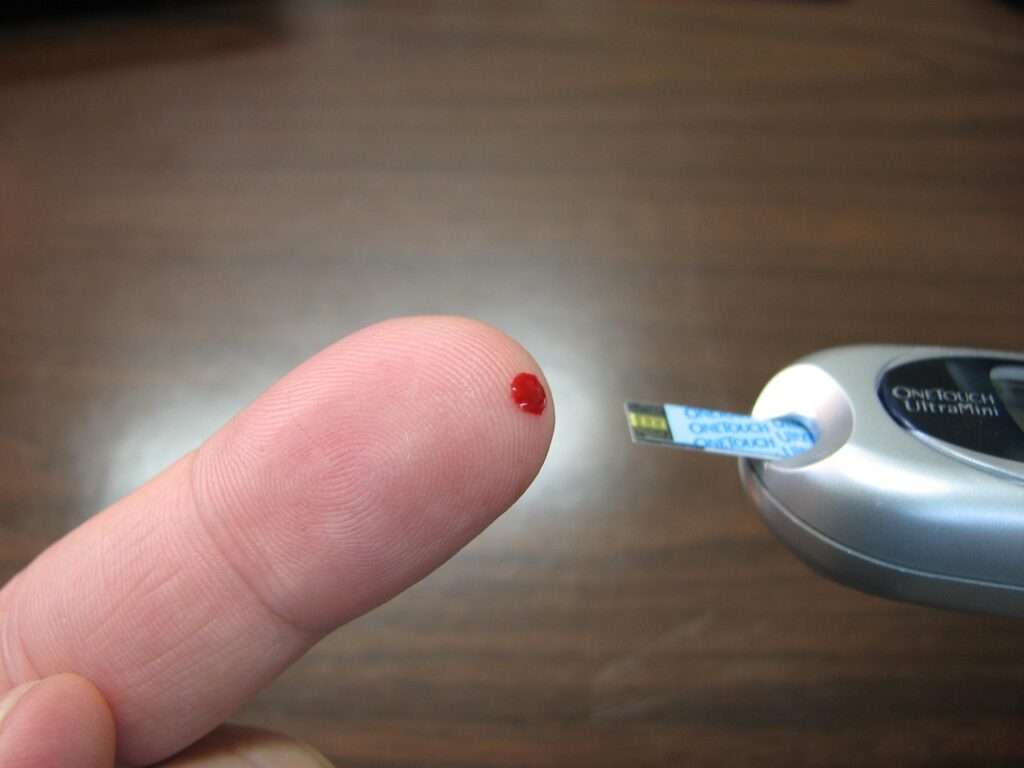
- bloodBlood is composed of red blood cells, white blood cells, platelets, and plasma. Red blood cells are responsible for transporting oxygen and carbon dioxide. White blood cells make up our immune defense system. Platelets contribute to blood sugar control, assessed by glycated hemoglobin (HbA1c), with a target usually below 7%;
- bloodBlood is composed of red blood cells, white blood cells, platelets, and plasma. Red blood cells are responsible for transporting oxygen and carbon dioxide. White blood cells make up our immune defense system. Platelets contribute to blood pressure control, ideally around 110–120/80 mm Hg;
- control of bloodBlood is composed of red blood cells, white blood cells, platelets, and plasma. Red blood cells are responsible for transporting oxygen and carbon dioxide. White blood cells make up our immune defense system. Platelets contribute to blood fats (cholesterolCholesterol is essential for the proper functioning of the human body, but it can also have harmful effects if present in excess. >> and triglycerides), according to target values adapted for people living with diabetes.
Achieving the Goals: The Role of Lifestyle
A significant portion of these goals can be achieved through healthy lifestyle habits, including:
- regular physical activity, adapted to each individual’s abilities;
- a balanced diet, inspired by recognized nutritional guidelines;
- smoking cessation;
- weight loss, when necessary.
These measures form the foundation of treatment and remain essential, even when medications are prescribed.
To read: Healthy lifestyle habits

Blood Sugar Control
In most cases, maintaining good blood sugar balance also requires the use of medications.
These drugs help support the action of insulin or facilitate the elimination of sugar from the body, in addition to lifestyle efforts.

First-Line Medication
Treatment most often begins with a medication called metformin. This drug helps the body make better use of the insulin already present, allowing cells to absorb circulating sugar more effectively.
Medications With Cardiovascular Benefits
In recent years, new medications have demonstrated important benefits, not only for bloodBlood is composed of red blood cells, white blood cells, platelets, and plasma. Red blood cells are responsible for transporting oxygen and carbon dioxide. White blood cells make up our immune defense system. Platelets contribute to blood sugar control, but also for the protection of the heart and kidneys.
-SGLT2 Inhibitors
(e.g., empagliflozin, dapagliflozin, canagliflozin)
These medications work by increasing the amount of sugar eliminated in the urine. Studies have shown that they can:
- improve bloodBlood is composed of red blood cells, white blood cells, platelets, and plasma. Red blood cells are responsible for transporting oxygen and carbon dioxide. White blood cells make up our immune defense system. Platelets contribute to blood sugar control,
- reduce hospitalizations for heart failure,
- lower the risk of heart attack, stroke, and cardiac-related death.
Importantly, their benefits have been observed not only in people with diabetes, but also in some individuals with heart failure or kidney disease, even in the absence of diabetes.
-GLP-1 Receptor Agonists
(e.g., semaglutide, liraglutide, dulaglutide)
These medications enhance the effect of insulin and contribute to better regulation of bloodBlood is composed of red blood cells, white blood cells, platelets, and plasma. Red blood cells are responsible for transporting oxygen and carbon dioxide. White blood cells make up our immune defense system. Platelets contribute to blood sugar levels. They have also been shown to reduce the risk of cardiovascular events, in addition to having a favorable effect on body weight in many patients.
When bloodBlood is composed of red blood cells, white blood cells, platelets, and plasma. Red blood cells are responsible for transporting oxygen and carbon dioxide. White blood cells make up our immune defense system. Platelets contribute to blood pressure is elevated or when certain cardiac or renal complications are present, other medications may be added, including:
- angiotensin-converting enzyme inhibitors (ACE inhibitors);
- angiotensin II receptor blockers (ARBs).
These treatments help:
- protect the kidneys,
- reduce cardiac complications,
- improve prognosis after a heart attack,
- support heart function when it is weakened.
In Summary
Diabetes treatment is not limited to controlling bloodBlood is composed of red blood cells, white blood cells, platelets, and plasma. Red blood cells are responsible for transporting oxygen and carbon dioxide. White blood cells make up our immune defense system. Platelets contribute to blood sugar alone. It involves a comprehensive approach, integrating lifestyle measures and appropriate therapies, in order to protect the heart, bloodBlood is composed of red blood cells, white blood cells, platelets, and plasma. Red blood cells are responsible for transporting oxygen and carbon dioxide. White blood cells make up our immune defense system. Platelets contribute to blood vessels, and kidneys over the long term.

In Conclusion: A Major Challenge, but Not an Inevitable One
Diabetes remains a significant challenge due to the many complications it can cause, particularly those affecting the heart and bloodBlood is composed of red blood cells, white blood cells, platelets, and plasma. Red blood cells are responsible for transporting oxygen and carbon dioxide. White blood cells make up our immune defense system. Platelets contribute to blood vessels. Its impact on both individual and population health is substantial.
However, appropriate management, combined with a proactive approach, can significantly reduce the risk of complications. The involvement of people living with diabetes in understanding their condition and participating in care-related decisions plays a central role in improving overall health and reducing the risk of mortality.
Today, diabetes represents a global health issue that continues to grow. Slowing its progression requires coordinated efforts at both the individual and societal levels, ranging from prevention to access to appropriate care.
Raising public awareness of the health, social, and economic challenges associated with diabetes remains essential in order to promote informed choices and support effective long-term prevention and management strategies.
Additional reading: Diabetes – The patient’s perspective
Related articles



Latest articles