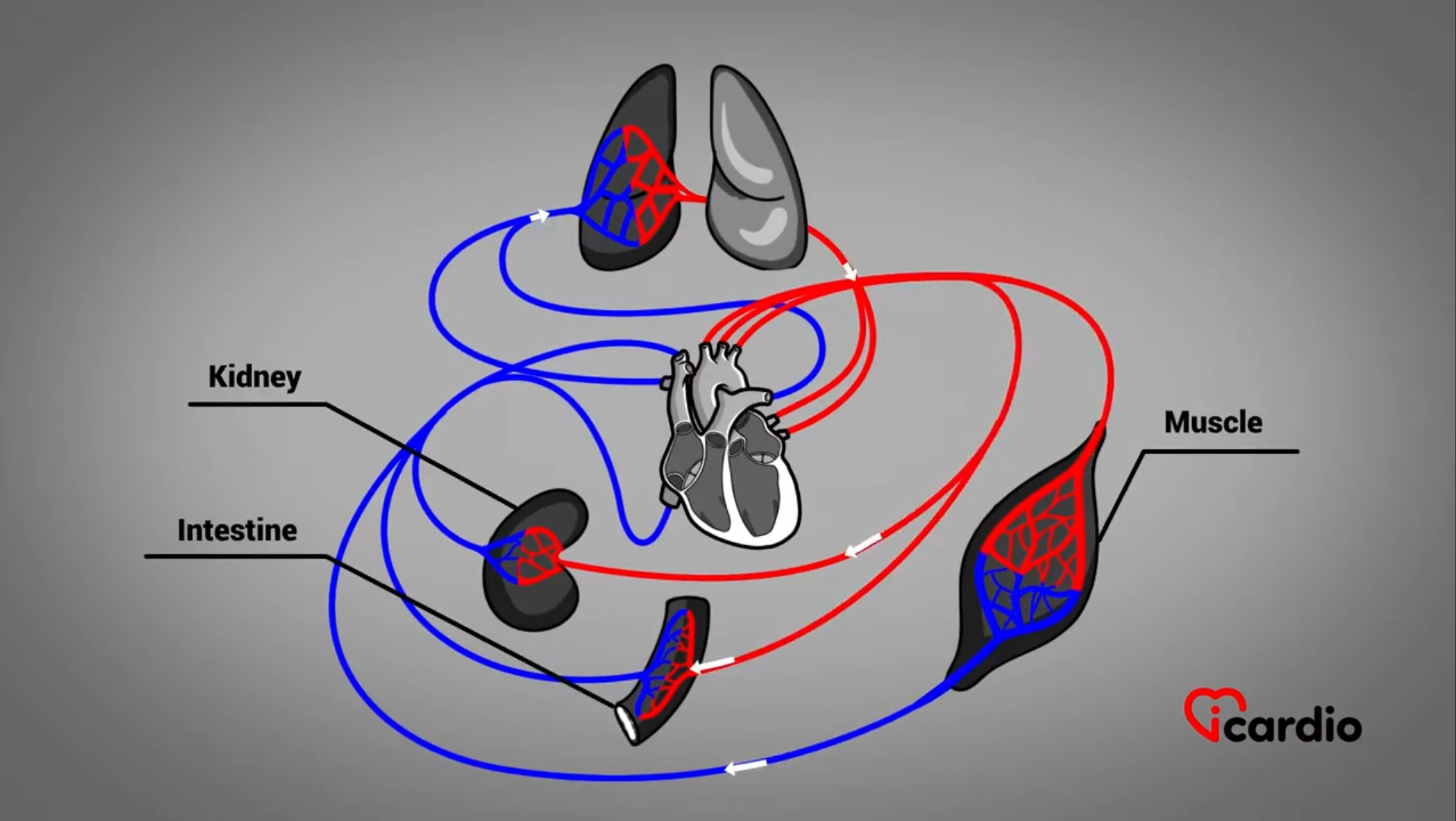
BloodBlood is composed of red blood cells, white blood cells, platelets, and plasma. Red blood cells are responsible for transporting oxygen and carbon dioxide. White blood cells make up our immune defense system. Platelets contribute to blood allows all human body organs to receive oxygen (02) and the nutrients it needs for them to work properly. BloodBlood is composed of red blood cells, white blood cells, platelets, and plasma. Red blood cells are responsible for transporting oxygen and carbon dioxide. White blood cells make up our immune defense system. Platelets contribute to blood also removes carbon dioxide (C02) and other waste from these organs.
A pump and some pipes
BloodBlood is composed of red blood cells, white blood cells, platelets, and plasma. Red blood cells are responsible for transporting oxygen and carbon dioxide. White blood cells make up our immune defense system. Platelets contribute to blood circulation requires a pump and some pipes. The heart is the pump and the bloodBlood is composed of red blood cells, white blood cells, platelets, and plasma. Red blood cells are responsible for transporting oxygen and carbon dioxide. White blood cells make up our immune defense system. Platelets contribute to blood vessels are the pipes, which when put end-to-end extend into a network of some 100,000 km.
The source of blood pressure
When the heart contracts, it expels a quantity of bloodBlood is composed of red blood cells, white blood cells, platelets, and plasma. Red blood cells are responsible for transporting oxygen and carbon dioxide. White blood cells make up our immune defense system. Platelets contribute to blood into the aorta. This flow of bloodBlood is composed of red blood cells, white blood cells, platelets, and plasma. Red blood cells are responsible for transporting oxygen and carbon dioxide. White blood cells make up our immune defense system. Platelets contribute to blood into the bloodstream creates tension or bloodBlood is composed of red blood cells, white blood cells, platelets, and plasma. Red blood cells are responsible for transporting oxygen and carbon dioxide. White blood cells make up our immune defense system. Platelets contribute to blood pressure.
Pressure in the pipes
Blood pressure may be compared to the water pressure in the pipes of your house, ensuring that water is available on all floors of your home.
Pressure is what causes blood to flow through the arteries.
In our body, pressure is what makes oxygenated bloodBlood is composed of red blood cells, white blood cells, platelets, and plasma. Red blood cells are responsible for transporting oxygen and carbon dioxide. White blood cells make up our immune defense system. Platelets contribute to blood travel through the arteries. BloodBlood is composed of red blood cells, white blood cells, platelets, and plasma. Red blood cells are responsible for transporting oxygen and carbon dioxide. White blood cells make up our immune defense system. Platelets contribute to blood is propelled from the heart to the organs (brain, kidneys, digestive tract, muscles), then the bloodBlood is composed of red blood cells, white blood cells, platelets, and plasma. Red blood cells are responsible for transporting oxygen and carbon dioxide. White blood cells make up our immune defense system. Platelets contribute to blood returns through the veins to be reoxygenated by the lungs.
The 2 digits of blood pressure readings
Blood pressure is made up of 2 values, 2 digits commonly called the top number and the bottom number.
The heart beats in a cyclical manner. The top number measures the force your heart exerts in the walls of your arteries during the contraction of your heart muscle. It is called the systolic pressure. The bottom number refers to the pressure your heart exerts in your arteries in between beats. This is called the diastolic pressure.
Blood pressure varies constantly.
Blood pressure varies greatly on a daily and time of day basis.
It is higher during exercise, physical work and periods of stress. BloodBlood is composed of red blood cells, white blood cells, platelets, and plasma. Red blood cells are responsible for transporting oxygen and carbon dioxide. White blood cells make up our immune defense system. Platelets contribute to blood pressure decreases during sleep and goes up again early in the morning.
Circadian cycle
Our body has a biological clock located in the brain. It is responsible for the daily hormonal release cycles. The heart rate adapts to the parameters of its environment, especially that of the alternation between day and night.
By the end of the night, around 4 to 6 o’clock in the morning, the body gets ready for the day. In other words, it is at this time that hormone concentrations in the bloodBlood is composed of red blood cells, white blood cells, platelets, and plasma. Red blood cells are responsible for transporting oxygen and carbon dioxide. White blood cells make up our immune defense system. Platelets contribute to blood are at their peak.
The secretion of cortisol, the cortisone of our body, causes an increase in our bloodBlood is composed of red blood cells, white blood cells, platelets, and plasma. Red blood cells are responsible for transporting oxygen and carbon dioxide. White blood cells make up our immune defense system. Platelets contribute to blood pressure while we are still sleeping peacefully.
It is believed that this rise in bloodBlood is composed of red blood cells, white blood cells, platelets, and plasma. Red blood cells are responsible for transporting oxygen and carbon dioxide. White blood cells make up our immune defense system. Platelets contribute to blood pressure would be associated with the occurrence of morning heart attacks.
The link between hormones and cardiovascular health
Hormones play a leading role when it comes to heart health. When hormones are working properly, they can help prevent heart disease; when they are out of balance, they can cause it.
The heart is influenced by hormone secretion and reacts to all our emotions. It is normal therefore that bloodBlood is composed of red blood cells, white blood cells, platelets, and plasma. Red blood cells are responsible for transporting oxygen and carbon dioxide. White blood cells make up our immune defense system. Platelets contribute to blood pressure varies from one moment to another since we are alive!
The tensiometer
The device used to measure bloodBlood is composed of red blood cells, white blood cells, platelets, and plasma. Red blood cells are responsible for transporting oxygen and carbon dioxide. White blood cells make up our immune defense system. Platelets contribute to blood pressure is called a tensiometer. BloodBlood is composed of red blood cells, white blood cells, platelets, and plasma. Red blood cells are responsible for transporting oxygen and carbon dioxide. White blood cells make up our immune defense system. Platelets contribute to blood pressure readings are usually displayed in 3 numbers.
Here is an example:
Your bloodBlood is composed of red blood cells, white blood cells, platelets, and plasma. Red blood cells are responsible for transporting oxygen and carbon dioxide. White blood cells make up our immune defense system. Platelets contribute to blood pressure monitor shows the following figures: 130-80, 72. The first number is your systolic bloodBlood is composed of red blood cells, white blood cells, platelets, and plasma. Red blood cells are responsible for transporting oxygen and carbon dioxide. White blood cells make up our immune defense system. Platelets contribute to blood pressure, 130 mm Hg (millimetres of mercury). The number 80 refers to your diastolic bloodBlood is composed of red blood cells, white blood cells, platelets, and plasma. Red blood cells are responsible for transporting oxygen and carbon dioxide. White blood cells make up our immune defense system. Platelets contribute to blood pressure, which is 80 mmHg. The last number is your heart rate, 72 beats per minute.
How to measure your blood pressure at home
It is preferable to check your blood pressure on a regular basis. Record your values on a piece of paper that you will bring to your doctor.
Most importantly, be sure to write down all results obtained from your bloodBlood is composed of red blood cells, white blood cells, platelets, and plasma. Red blood cells are responsible for transporting oxygen and carbon dioxide. White blood cells make up our immune defense system. Platelets contribute to blood pressure monitor during the week preceding your medical appointment.
Optimal conditions
Sit comfortably. Test your blood pressure after a 5-minute rest period; you have to wait a minimum of 30 minutes after physical activity.
You must wait 1 hour before you check your bloodBlood is composed of red blood cells, white blood cells, platelets, and plasma. Red blood cells are responsible for transporting oxygen and carbon dioxide. White blood cells make up our immune defense system. Platelets contribute to blood pressure after drinking coffee or any other drink containing caffeine (tea, soft drinks), or after eating any food that has a stimulant effect on the body, for instance, chocolate, etc.
You will have to wait 2 hours after a meal because the digestion process is a cardiovascular effort in itself and can distort your results and can distort your results.
Use the washroom if you need to before taking your blood pressure. A full bladder raises bloodBlood is composed of red blood cells, white blood cells, platelets, and plasma. Red blood cells are responsible for transporting oxygen and carbon dioxide. White blood cells make up our immune defense system. Platelets contribute to blood pressure.
Measurement
Measurement must be taken twice a day.
BloodBlood is composed of red blood cells, white blood cells, platelets, and plasma. Red blood cells are responsible for transporting oxygen and carbon dioxide. White blood cells make up our immune defense system. Platelets contribute to blood pressure measurement is to be made twice, first thing in the morning and a few minutes apart, before taking any medication, coffee or breakfast.
BloodBlood is composed of red blood cells, white blood cells, platelets, and plasma. Red blood cells are responsible for transporting oxygen and carbon dioxide. White blood cells make up our immune defense system. Platelets contribute to blood pressure should be checked twice also before going to bed, a few minutes apart.
You must record each of the 2 measurements, even those that seem too high or too low or are not to your liking. If you choose to test your bloodBlood is composed of red blood cells, white blood cells, platelets, and plasma. Red blood cells are responsible for transporting oxygen and carbon dioxide. White blood cells make up our immune defense system. Platelets contribute to blood pressure a third time, you do not have to write down these results.
When the day is over, average these 4 values.
The weekly average is a true estimate.
The average of the last 6-day measurements before your medical appointment gives a reasonably accurate estimate of the real values of your blood pressure.